Do You Need a Permit for a Steel Building in Kansas? How County Rules Differ
In Kansas, permit rules are set by counties and cities, so the answer depends on where you build and what the building is for. Here’s what to ask before you pour.
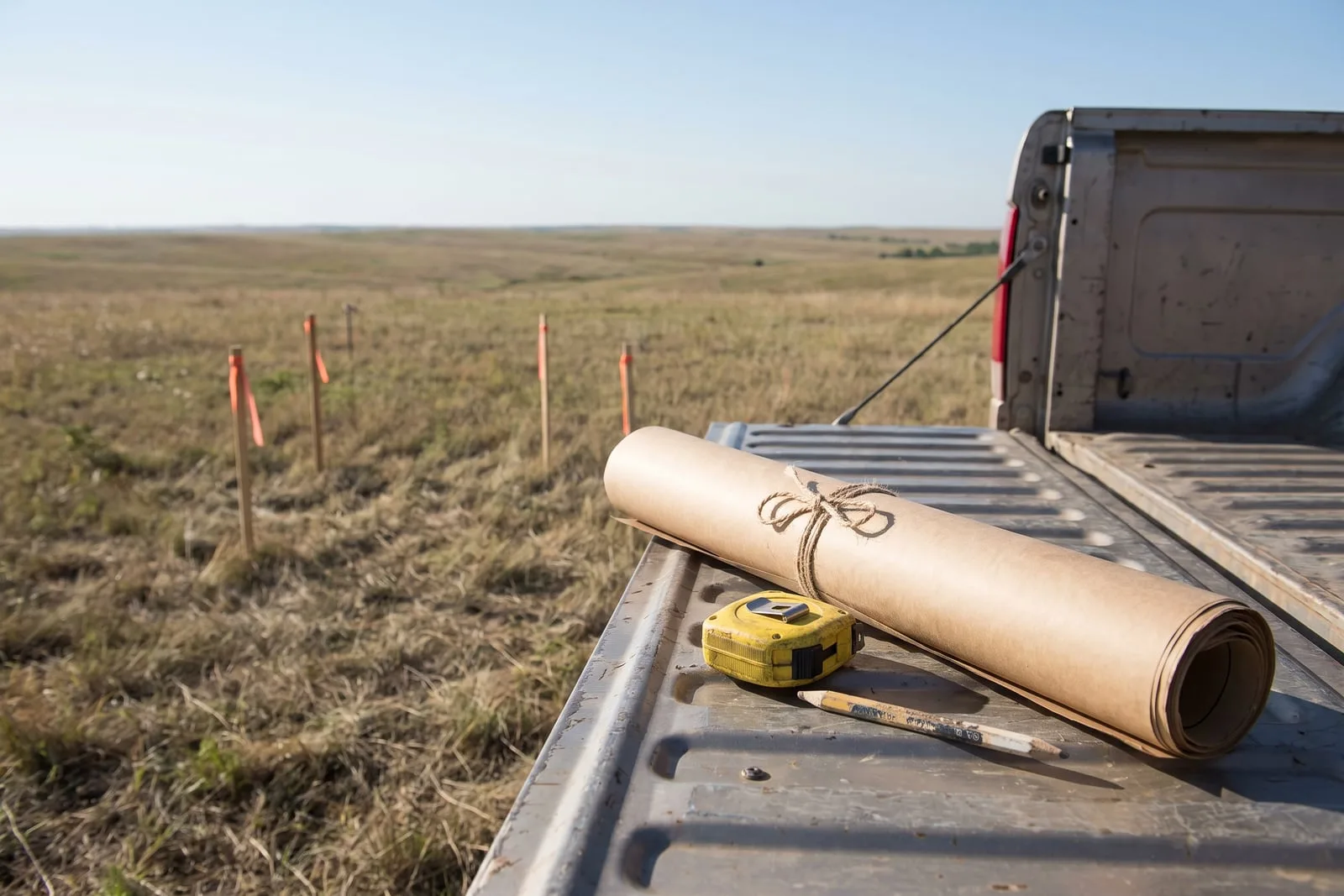
It’s one of the first questions people ask, and the honest answer is: it depends on where you are. Kansas leaves most building rules to counties and cities, so the answer can change when you cross a county line. Two neighbors a few miles apart can get very different answers.
Here’s how to think about it, what kinds of permits tend to come up, and how to get a straight answer before you build. This is general guidance, not legal advice. Your county or city has the final word.
Why the answer changes from county to county
Kansas doesn’t have one statewide building permit process that covers every building. Cities and counties decide for themselves whether to adopt building codes, zoning rules, or both, and which buildings those rules apply to.
That means you might be in a place that:
- Has zoning rules and a full building permit process.
- Has zoning rules but no building code for rural property.
- Has few rules at all outside city limits.
Inside city limits, the rules are usually stricter than out in the county. And a building on the edge of town may fall under the city’s rules even if your address says otherwise.
What the building is for matters
Many places treat buildings differently depending on how they’re used:
- Farm buildings. In many areas, buildings used for farming get lighter treatment or are exempt from building permits. They may still need to meet setbacks or floodplain rules. Ask what your county counts as agricultural use.
- Homes and barndominiums. Anywhere people live usually gets the most review. Expect questions about septic or sewer, water, and sometimes inspections.
- Shops and garages. These often fall in between. A personal shop may be handled one way and a business shop another.
- Commercial buildings. Buildings open to customers or employees usually have the most requirements.
Permits that tend to come up
Not every project needs all of these, but these are the ones worth asking about:
- Zoning or land-use permit. Confirms the building is allowed on your property and meets setbacks from property lines and roads.
- Building permit. Where required, this covers the structure itself and may come with inspections.
- Floodplain permit. If any part of your property is in a mapped floodplain, building there usually needs approval first, even for farm buildings.
- Septic or wastewater permit. Needed for most homes not on city sewer. This often goes through the county’s environmental or sanitation office.
- Driveway or entrance permit. A new drive onto a county or township road may need sign-off from whoever maintains that road.
- Electrical. Some places require permits or inspections for electrical work, and your power company may have its own requirements for a new service.
How to get a straight answer
The fastest way is a phone call. Look up your county’s planning and zoning office, or the city office if you’re in or near town. Have this ready:
- Your property address or parcel number.
- What the building is for: farm use, a home, a personal shop, or a business.
- Rough size and where it will sit on the property.
- Whether it will have plumbing, a bathroom, or living space.
Then ask:
- Do I need a permit for this building, and which ones?
- What setbacks apply?
- Is any of my property in a floodplain?
- What do you need to see with the application, such as a site plan or engineered drawings?
- Are inspections required, and when?
Write down who you talked to and what they said. If the answer is “no permit needed,” it doesn’t hurt to ask them to put that in an email.
Engineered drawings help
When a permit office does review a building, they often want to see that it was designed for local conditions. Every RM Steel building is engineered to your county’s snow, wind, and seismic loads and sealed by a licensed engineer, so the design is built around where it’s going from the start.
Check before you pour
The most expensive time to find out about a permit is after the slab is down. A setback problem or a floodplain line can mean moving the building, and that’s a lot easier on paper than in concrete. Make the call early, while you’re still picking a site and size.
Ready to plan your building?
Once you know what your county allows, we can help you plan the rest. Our quote form is five fields. Whatever you don’t know yet, leave blank. We figure the rest out together.
- Get a quote: rmsteelbuildings.com/contact
- Sketch your building in the RM Steel 3D Designer